
Givenchy Antigona Bag
Welcome to The Purse Parlour Inner Circle.
This space is dedicated to the parts of luxury handbags that are rarely talked about — the construction details hidden beneath the lining, the design decisions that only reveal themselves over time, and the restoration work that quietly keeps beloved bags in use for years to come.
Each Inner Circle article takes you inside a real restoration case, step by step. Not just to show how a bag is repaired, but to explain why certain parts fail, what that means for longevity, and how these insights help handbag lovers and collectors better understand the pieces they own — or plan to invest in.
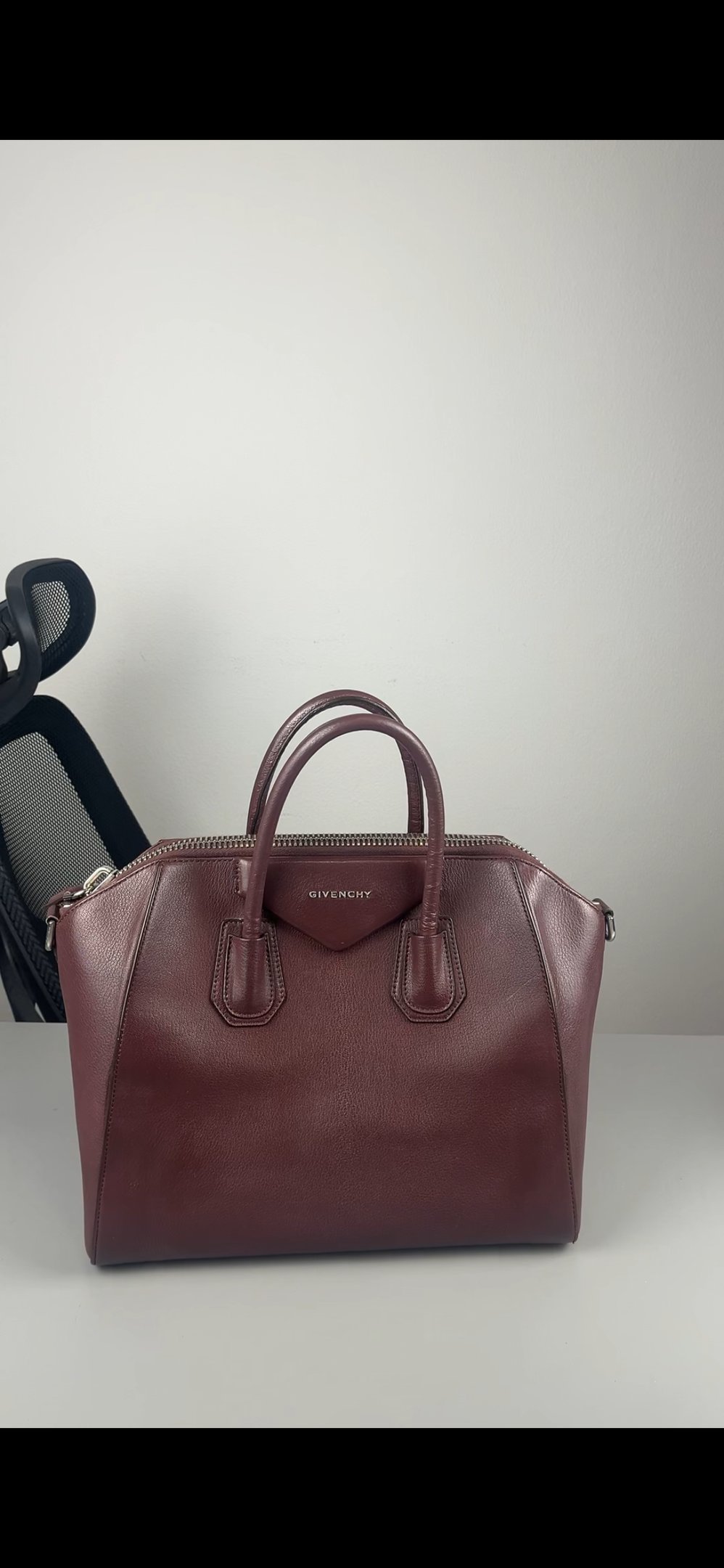
For this first article, I want to take you inside the restoration of a Givenchy Antigona in a deep bordeaux shade — a model that has become a modern classic since its launch in the early 2010s and is known for its sharp structure and architectural silhouette. The Givenchy Antigona was introduced in 2010 under Riccardo Tisci’s creative direction at Givenchy.
The Bag at First Glance
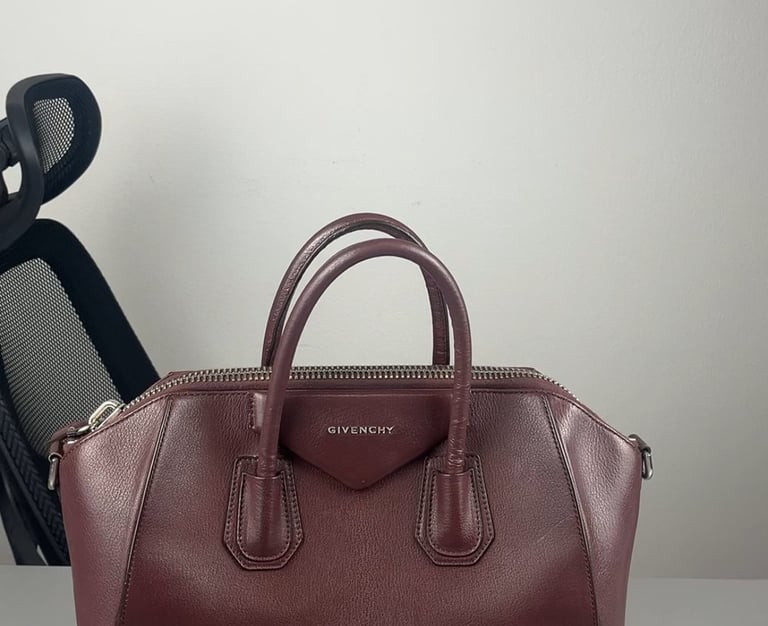
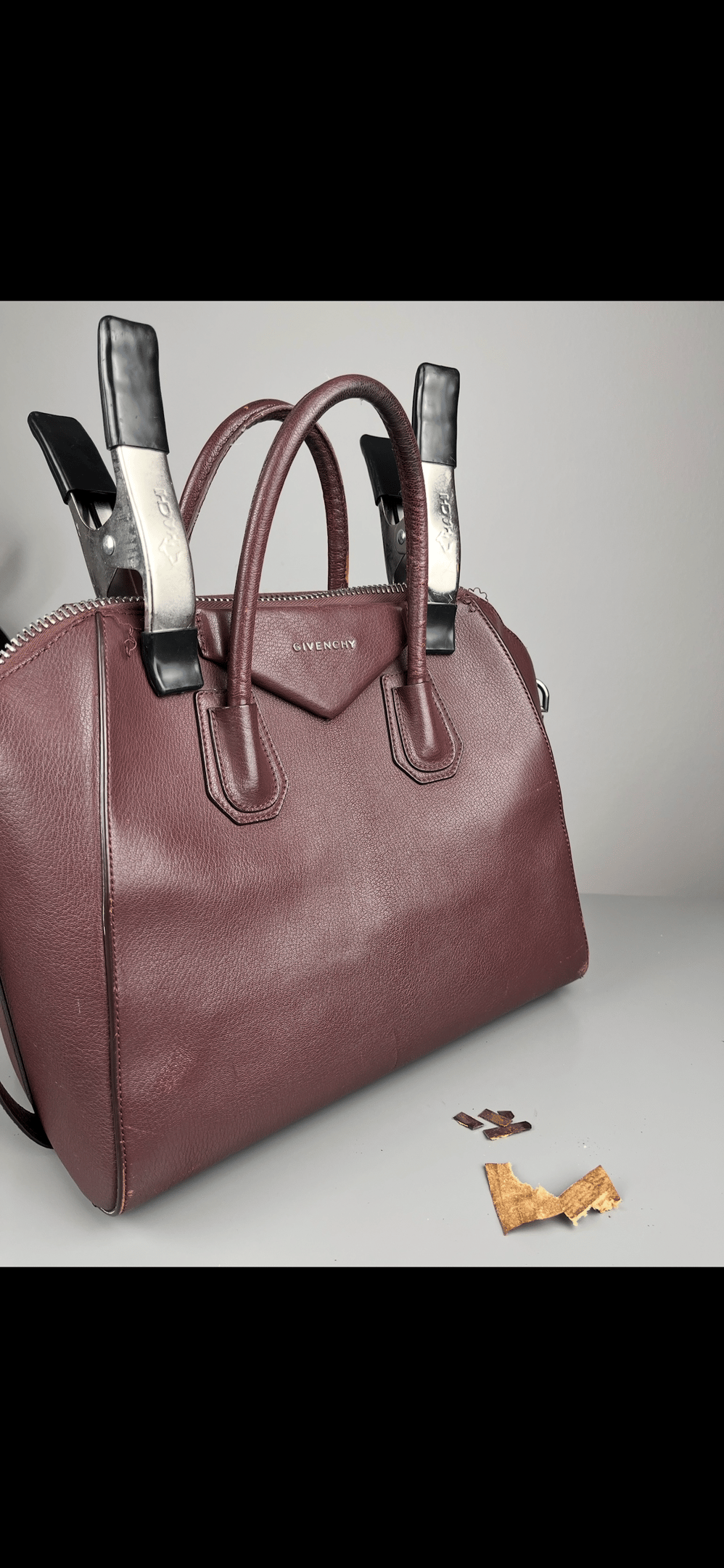
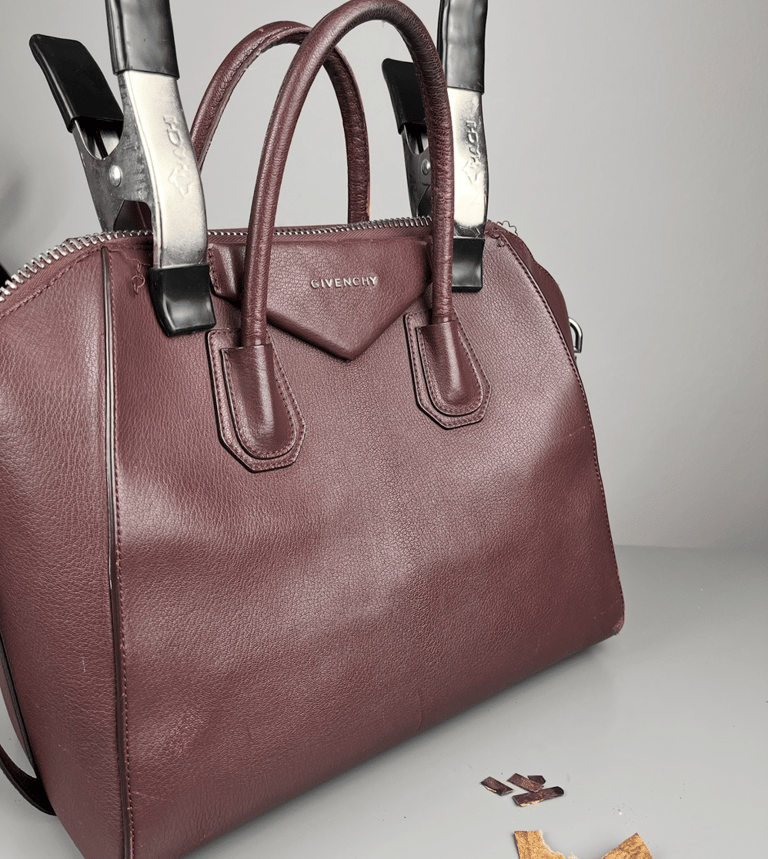
The bag that arrived at the atelier was a Givenchy Antigona Bag which was crafted in a coated box calfskin leather with a lining made from 90% cotton and 10% polyester.
About the Leather
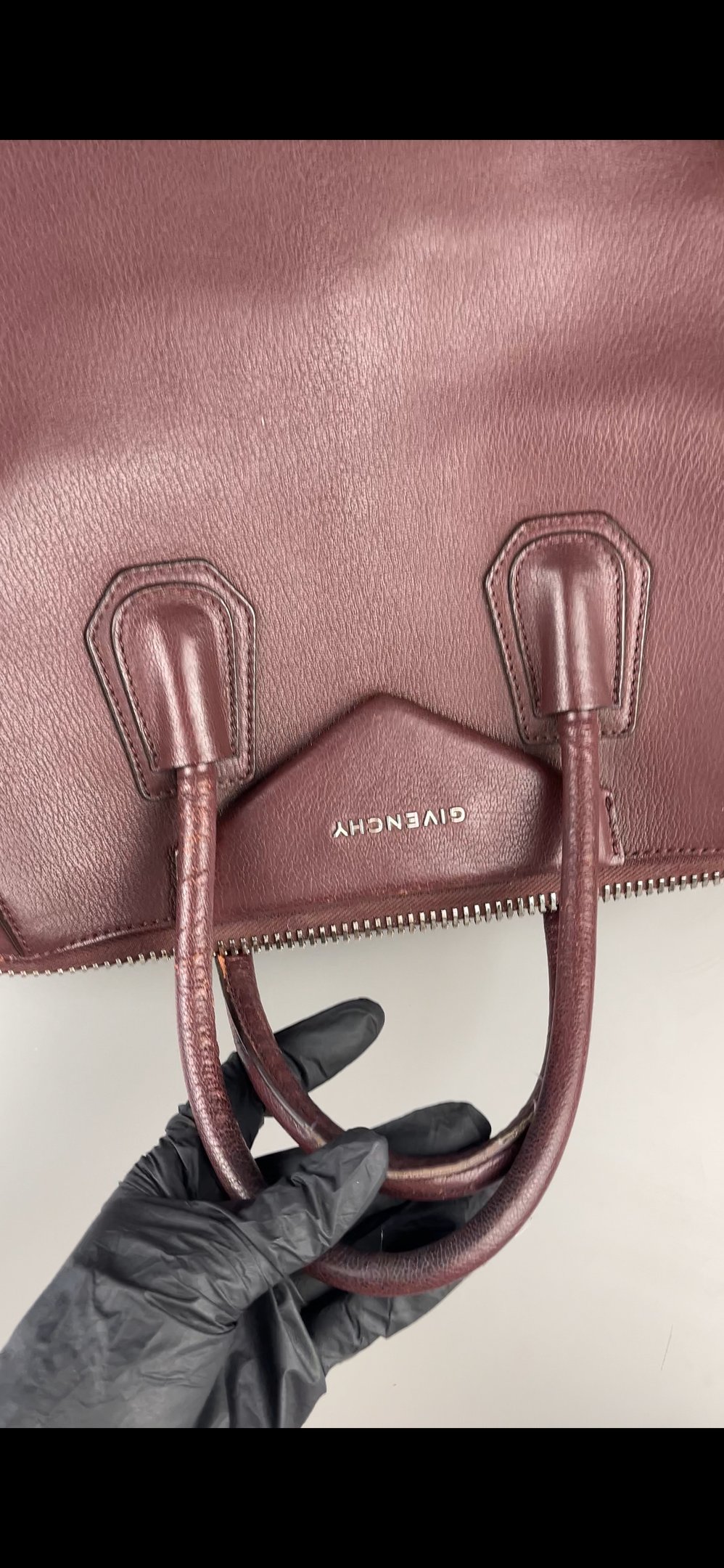
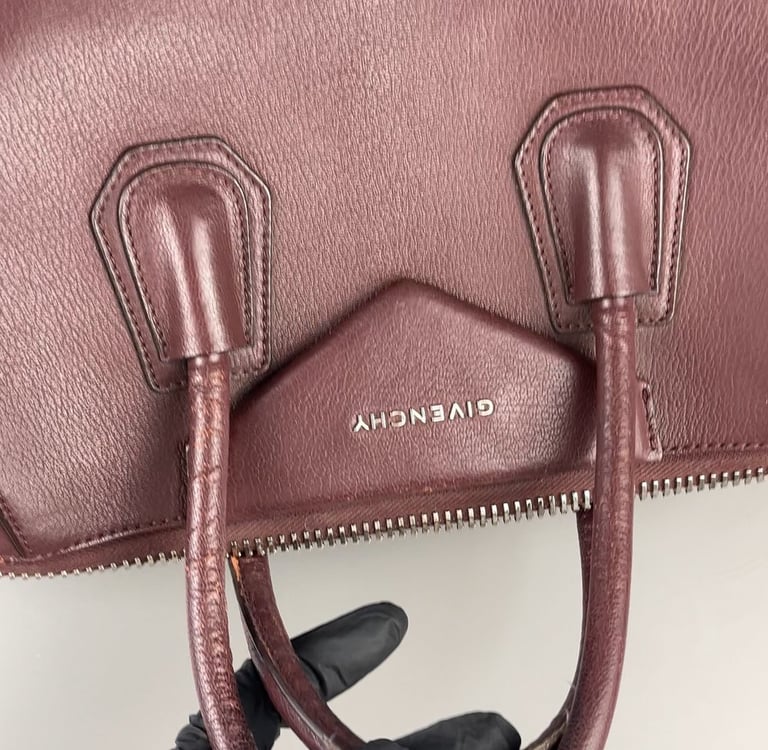
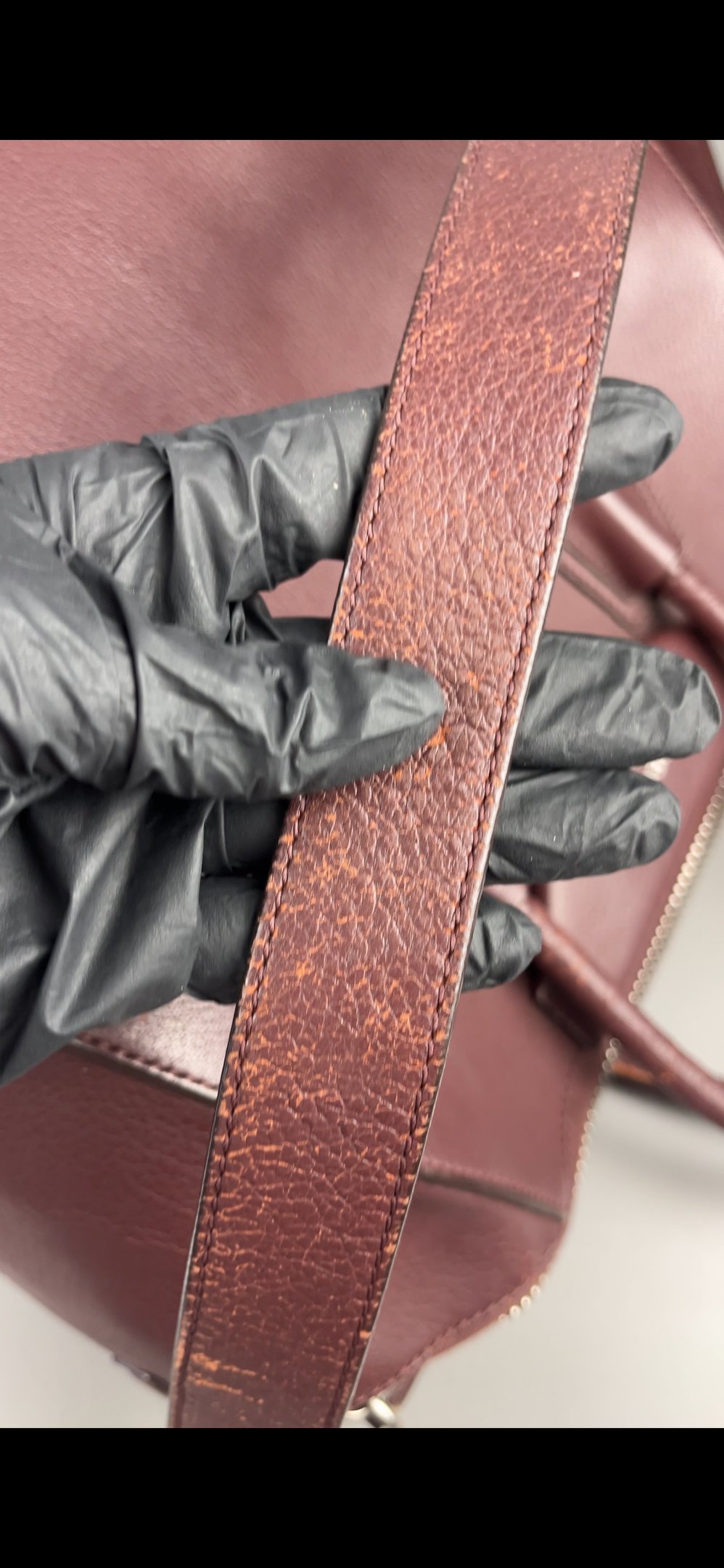
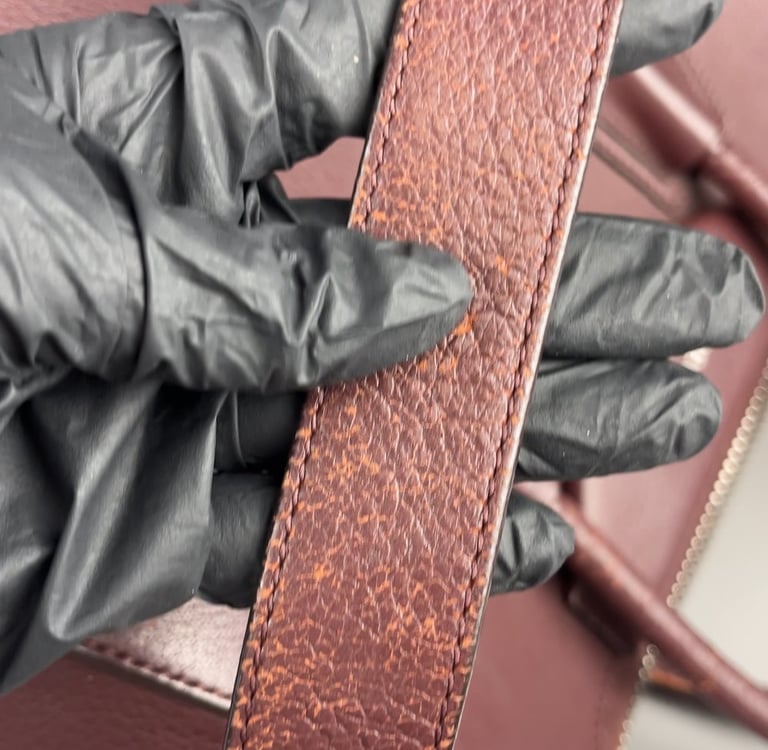
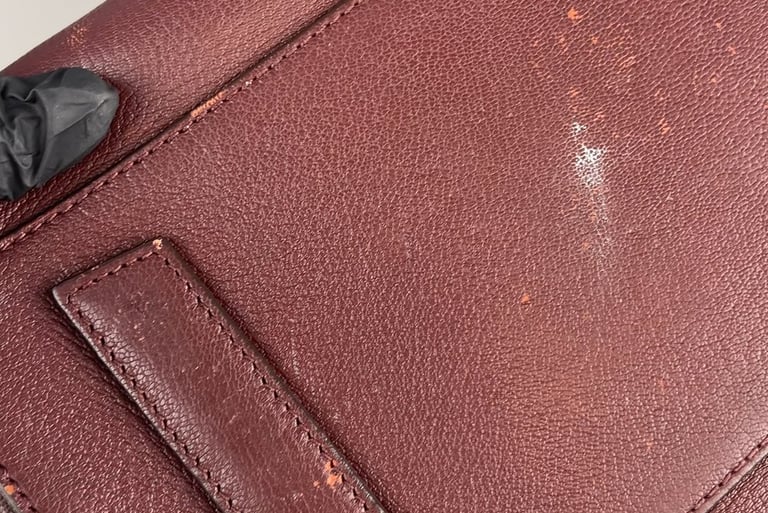
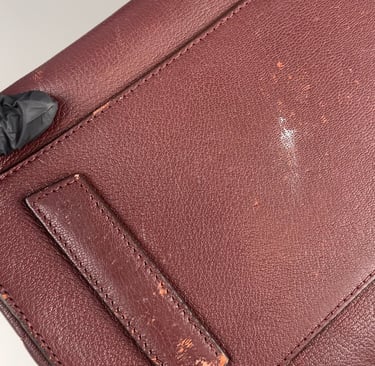
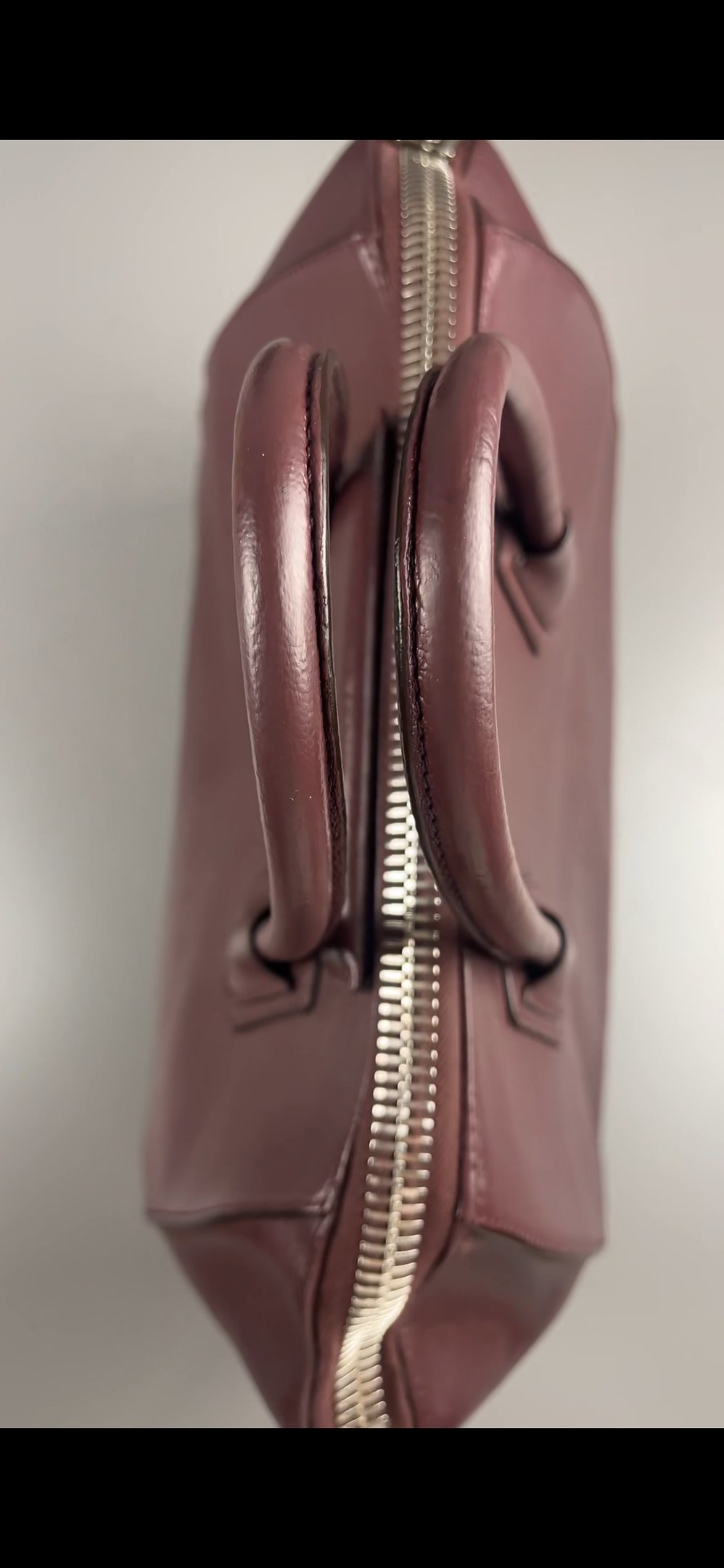
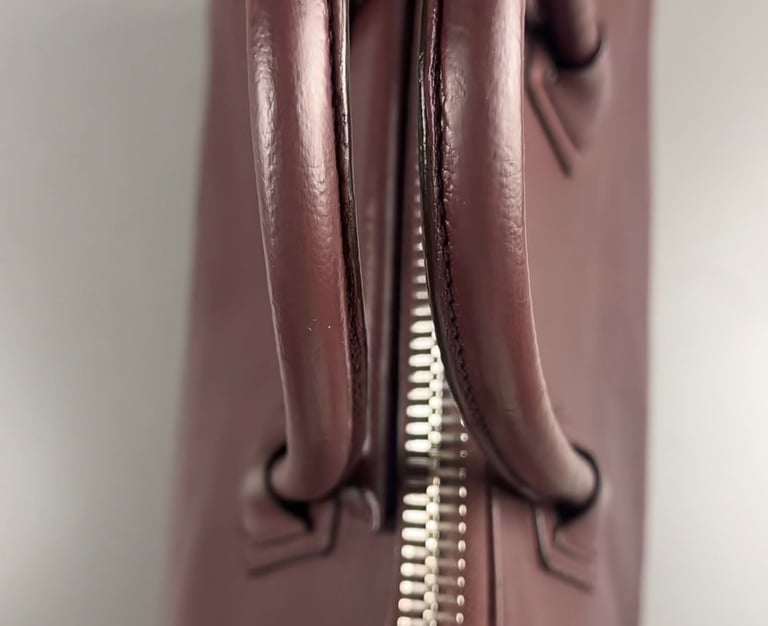
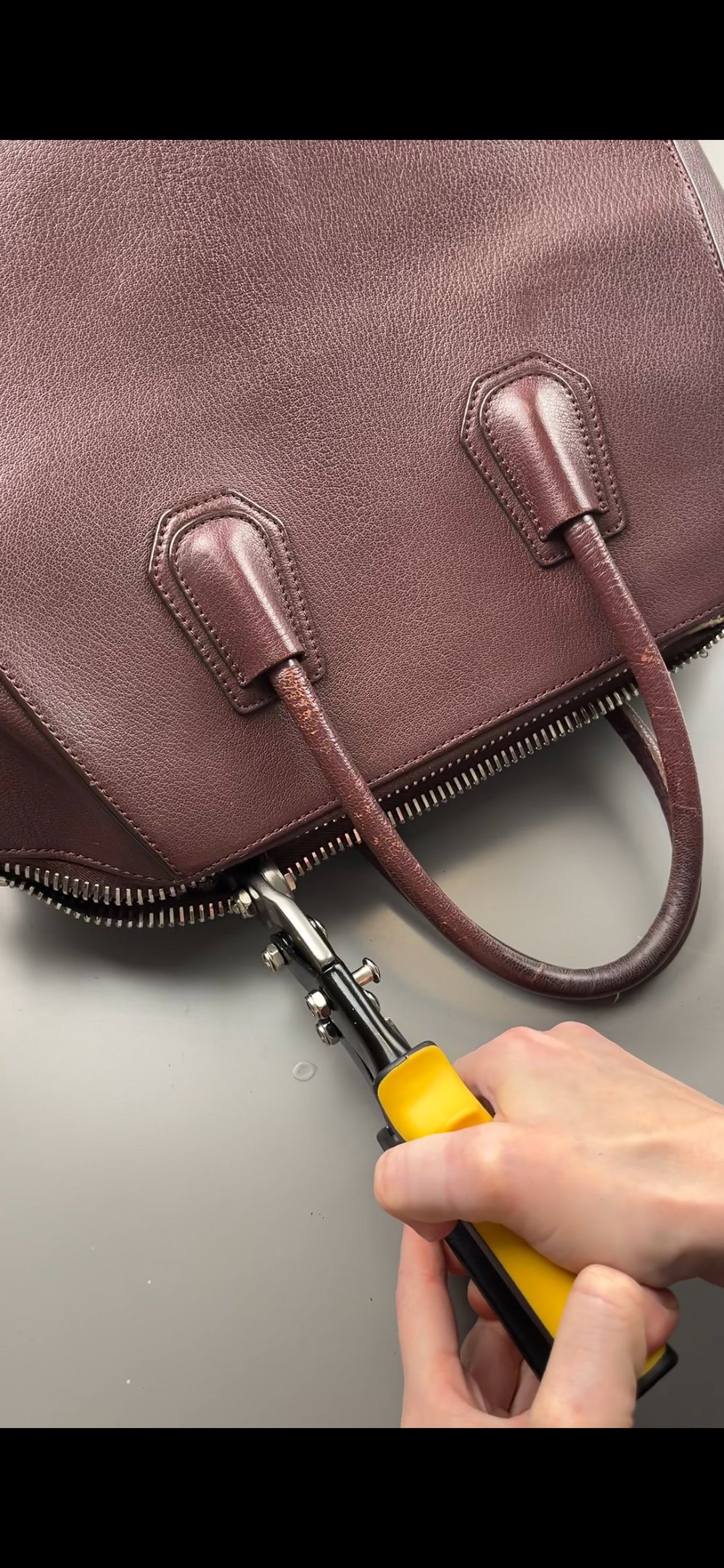
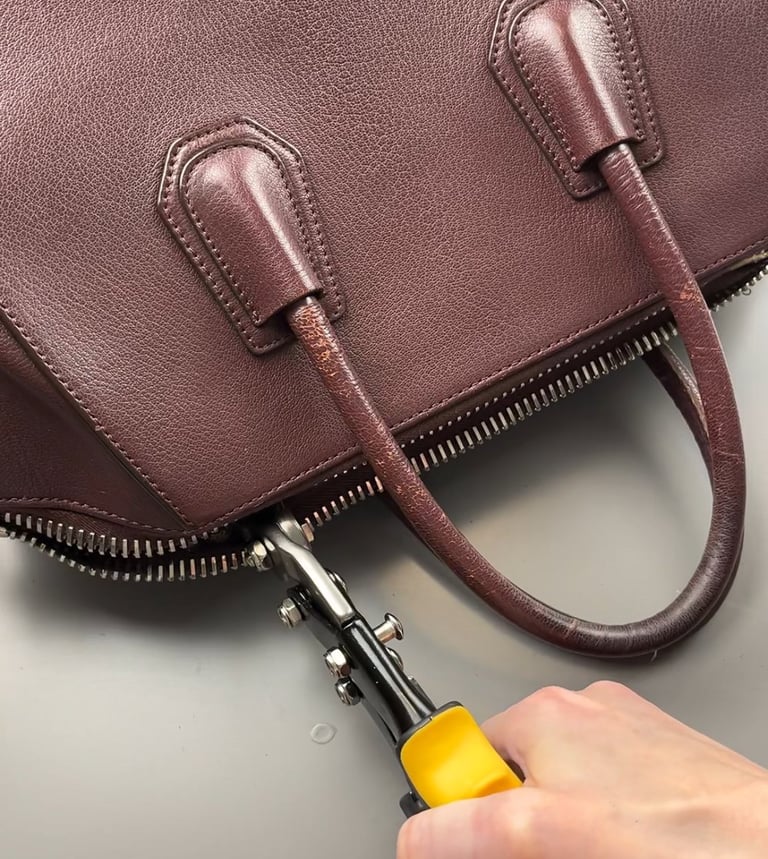
Externally, the bag presented well in terms of structure and shape. The leather showed no obvious weakness, the silhouette was intact and the bag still held its shape when set down. The leather had visible scuffs in high wear areas of the bag but no scuffing or fraying of the leather was noticeable. The handles were very creased, the colour had faded / rubbed off and the edge paint had largely cracked and rubbed off. Box leather (box calf) is a vegetable-tanned calfskin that is hot-stuffed and finished with a firm, closed grain, giving it high density, low elasticity, and excellent shape retention. The tanning and finishing process creates a surface that is naturally smooth and slightly glossy, but also relatively rigid, meaning it resists stretching while being more susceptible to visible surface abrasion and scratching.
About the Hardware
The hardware, by contrast, was in excellent condition. While Givenchy does not disclose exact hardware composition, the hardware on this bag showed durability and wear patterns consistent with higher-grade alloy hardware commonly used in luxury production, and in this bag the hardware showed no signs of plating loss or structural fatigue. The zipper and teeth were appropriately sized for the scale and weight of the bag and operated smoothly, with no signs of resistance, misalignment, or catching. One particularly well-considered detail was the shoulder strap attachment. While the strap is adjustable and removable, it is not secured with a spring-loaded snap hook. Instead, the strap uses a closed swivel hook that is threaded directly through the bag’s D-rings. By eliminating a lever or spring mechanism, the design removes one of the most common long-term failure points, while still allowing rotational movement to reduce stress during wear. It’s a subtle but structurally sound choice that prioritizes longevity over pure functionality.
About the Stitching
The stitching throughout the bag was executed to a very high standard, with consistent stitch length, even tension, and well-aligned seams, including in high-stress areas. This level of workmanship allows the bag to carry weight and flex as intended without seams pulling or distorting over time, which plays a significant role in how well a bag ages. In this case, the stitching had held up exceptionally well, indicating careful assembly and contributing positively to the bag’s overall longevity.
For Collectors
Following restoration, the bag presents as structurally sound and visually cohesive, with all previously compromised areas corrected without altering its original character. The colour refinements restore depth and evenness to the leather while remaining fully integrated with the existing finish. Edge paint has been stabilised and rebuilt where required, resulting in clean, continuous edges that can flex with use rather than deteriorate further. Internally, the lining has been repaired and reinforced, eliminating abrasion points and restoring integrity without visible signs of intervention. Together, these corrections return the bag to a condition suitable for continued wear, with the original failure points addressed and no unnecessary evidence of repair.
The Two Main Issues of the Bag
Although the bag presented well externally, two underlying weaknesses became apparent once it was examined more closely: internal friction caused by exposed structural elements, and edge paint failure linked to how the body was constructed.
Issue #1
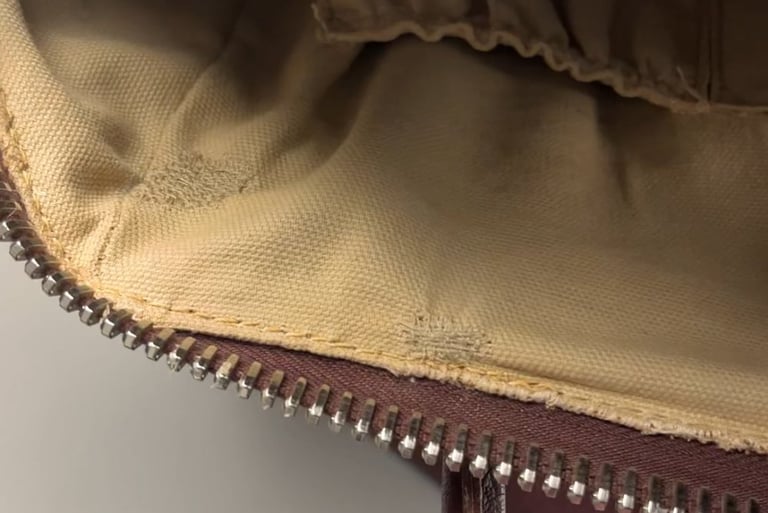
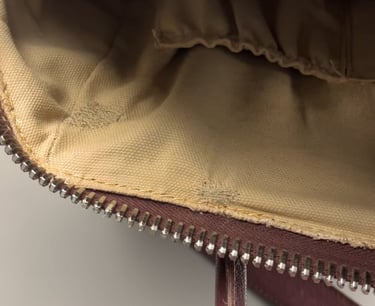
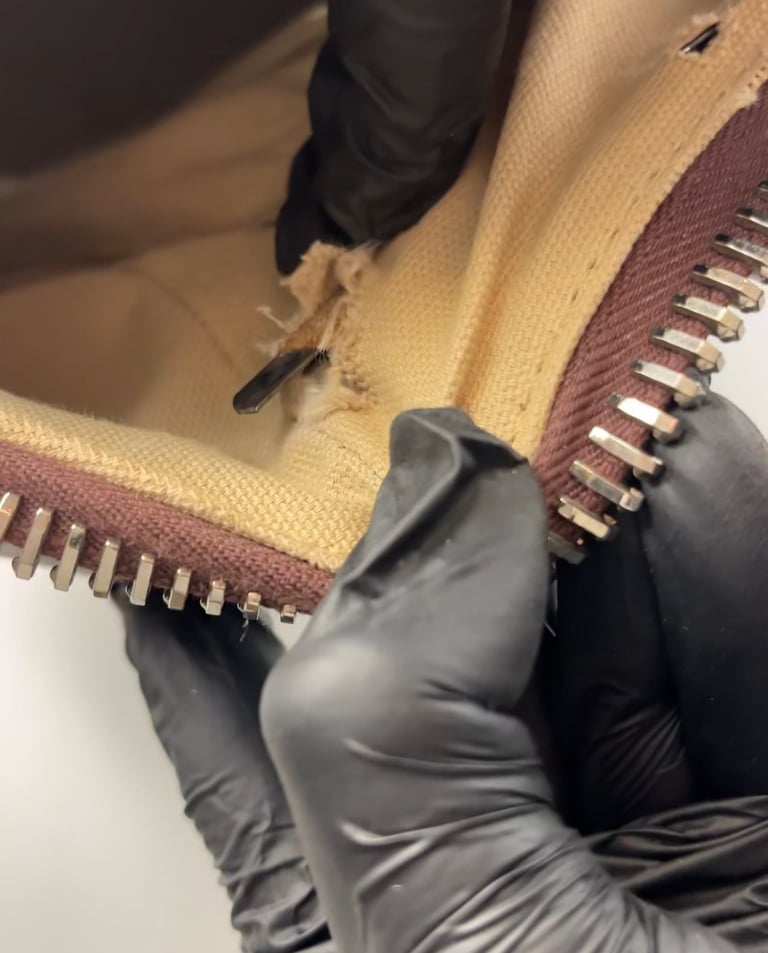
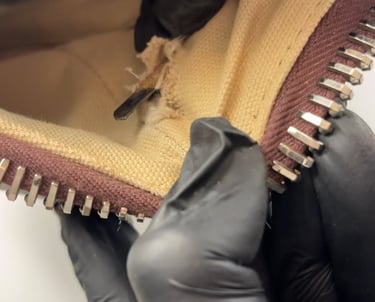
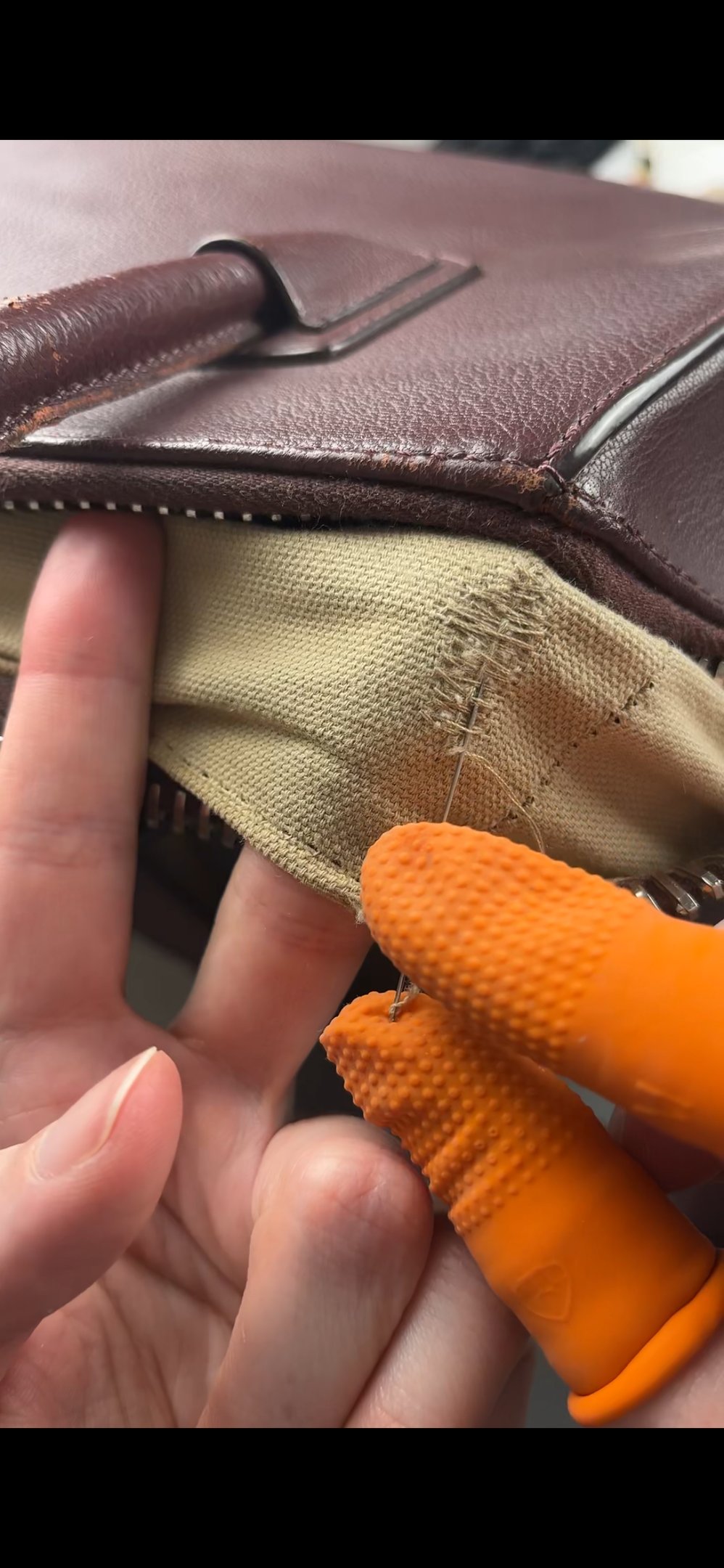
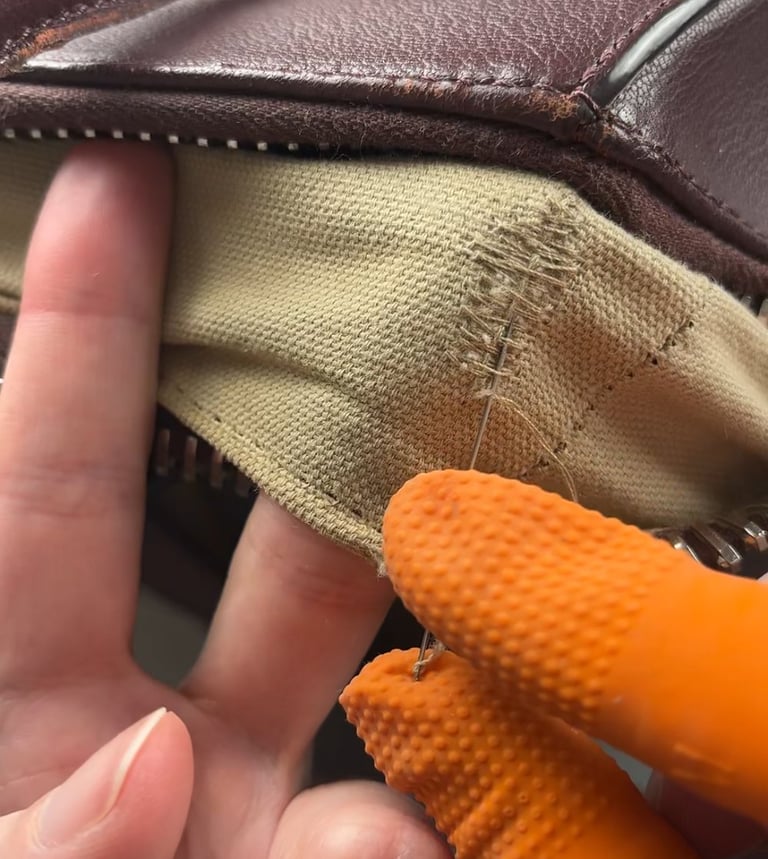
Internally, the lining had torn in two very specific, symmetrical areas on either side of the bag. Through these openings, internal structural components were visible, immediately indicating that this was not a one-off tear but the result of repeated internal friction over time. Cotton lining rarely fails suddenly; it wears away gradually when subjected to ongoing movement or contact, pointing to a structural element that was able to shift or rub from within.
Once the interior stitching was carefully opened and the internal structure exposed, the cause became clear: a metal stabilising bar that had been left unwrapped at both ends, glued directly onto the stabilizer from the inside with very little stabiliser applied over it and no substantial structural containment to hold it in place long-term. Adhesive alone is not a permanent solution, as glue softens and degrades over time, particularly in areas exposed to movement and temperature changes. As a result, normal use allowed the bar to shift, and without a protective barrier, the exposed metal ends rubbed directly against the cotton lining until the fabric failed. This was not an aggressive or sudden breakdown, but a slow, predictable failure built into the construction.
Issue #2
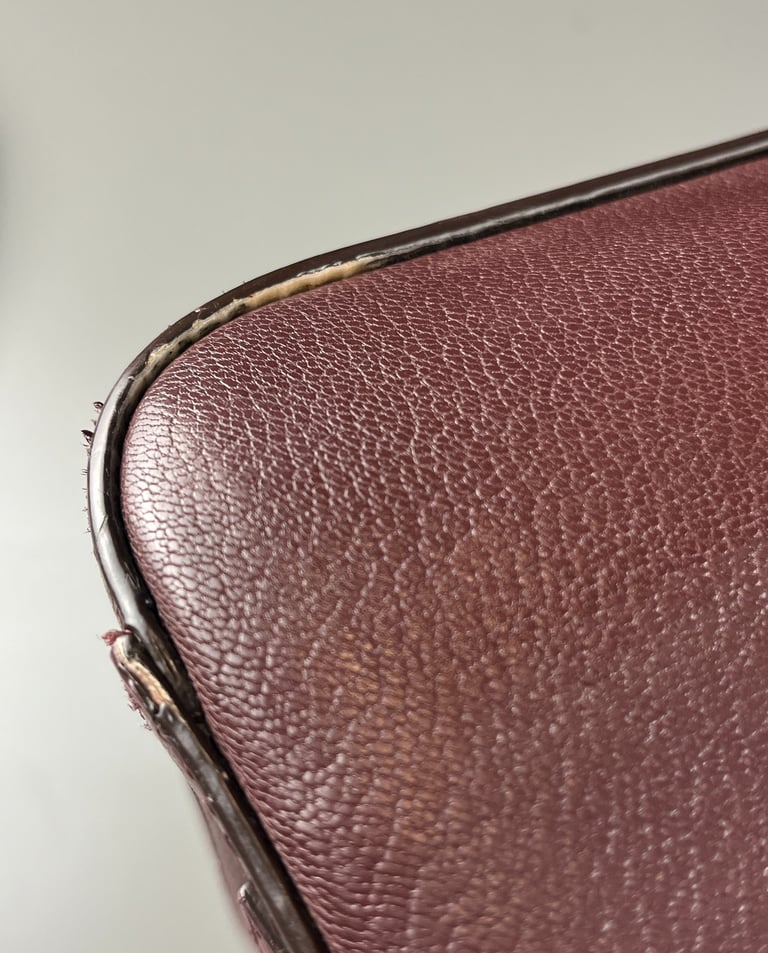
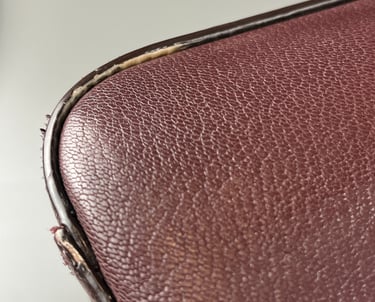
The second weakness was found along the edges of the bag. While cracking along the shoulder strap and handles was consistent with normal use and flexing — and showed no signs of peeling — the edge paint on the body of the bag had deteriorated across much larger areas. This was more concerning, both because these sections are more difficult to restore and because they suggested a construction-related vulnerability rather than surface wear alone.
The body of the bag relies on a very stiff internal stabiliser to achieve its rigid, architectural shape. These stabilisers are often thick, cardboard-like materials that hold form well but are unforgiving once damaged. In this case, the outer leather was attached to only one side of the stiff stabiliser. The opposite side was left exposed internally. As a result, when the edge paint was applied, it had only a single leather edge to bond to. Edge paint does not adhere well to the thin, sharp edge of rigid stabilising material, making the finish inherently vulnerable. This construction choice created a clear weak point. As illustrated below, a reinforced double-leather edge allows edge paint to flex and anchor properly over time, whereas the single-edge construction used here offers significantly less long-term resilience.
--> One more thing to note: Storage vulnerability: With cardboard-like stiffeners, storage becomes a failure mode: one bad fold/pressure point can permanently crease the internal structure, and the leather will mirror it permanently as it is not possible to un-crease the stabilizer and leather. That’s a design vulnerability worth stating explicitly because it affects owners, not just restorers.
Step-by-Step: The Restoration Process
Before beginning any repair, it’s important to decide what should remain untouched. The exterior leather, proportions, and overall construction were sound.
The failure came from specific weaknesses. So the restoration focused on correcting the flaw, reinforcing the vulnerable area while preserving the original feel and balance of the bag. Anything beyond that would have been unnecessary intervention.
Controlled Access
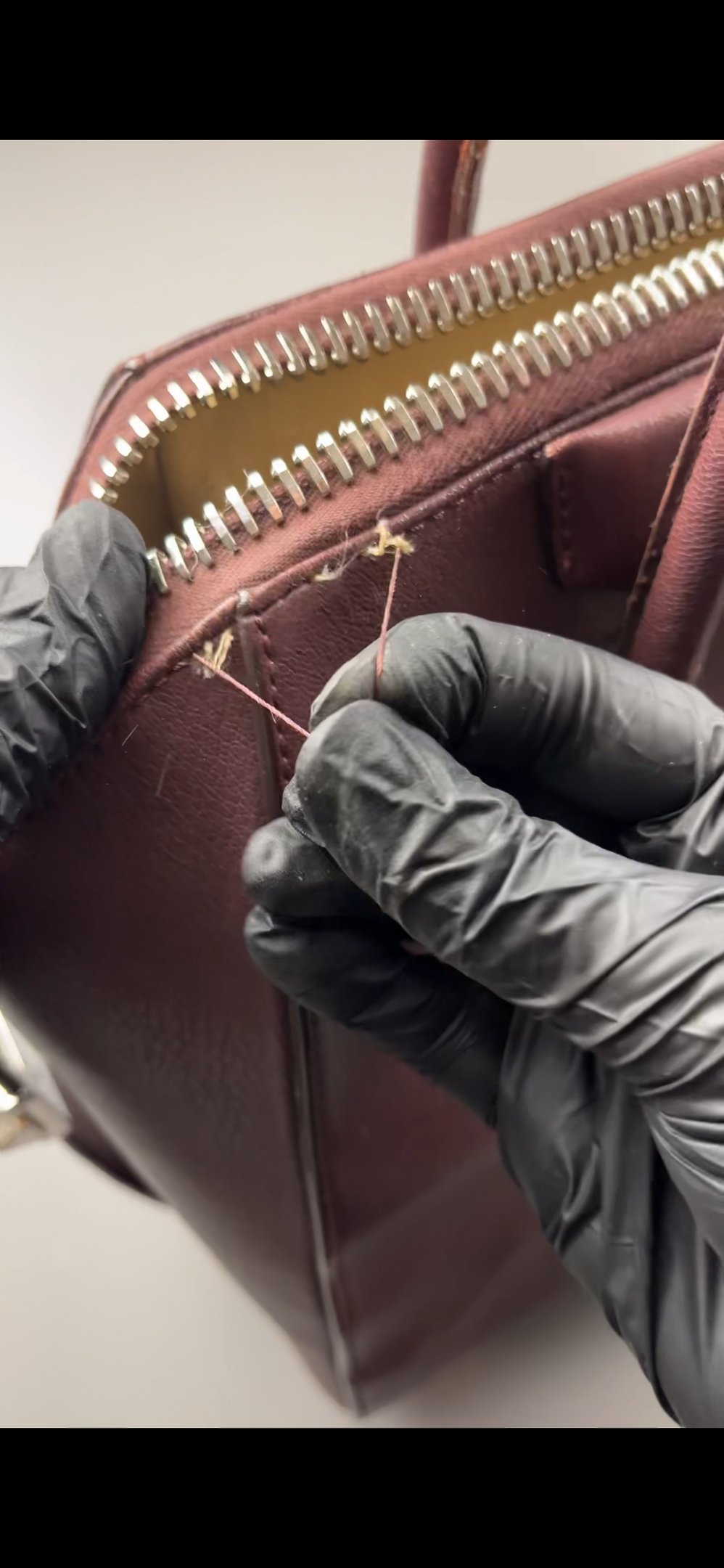
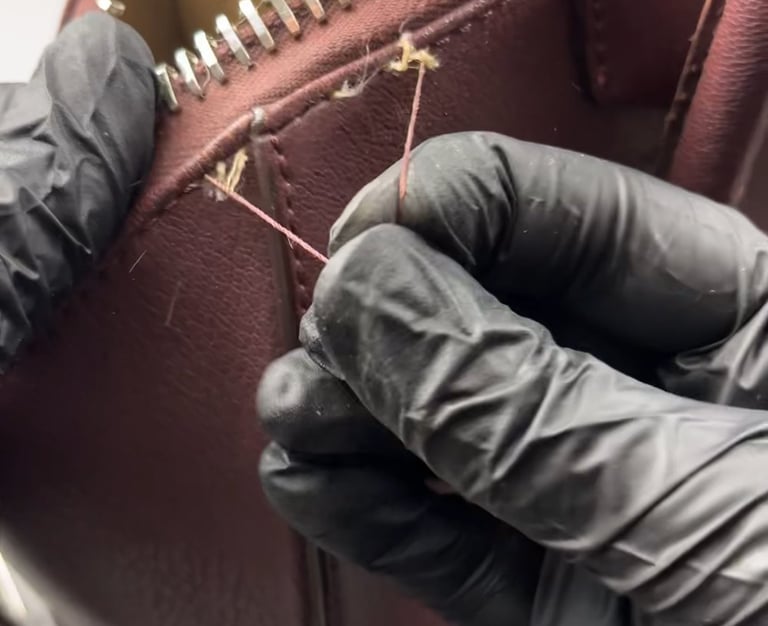
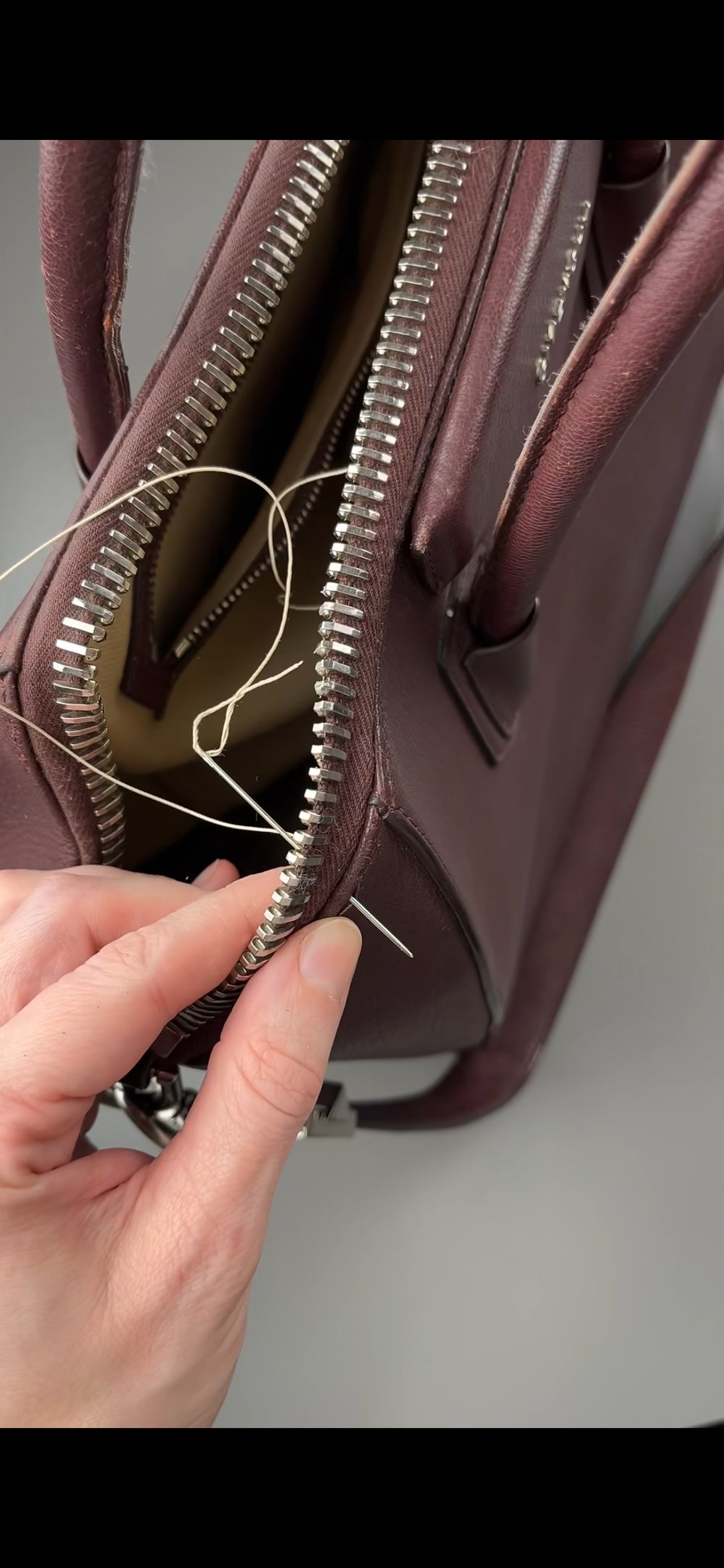
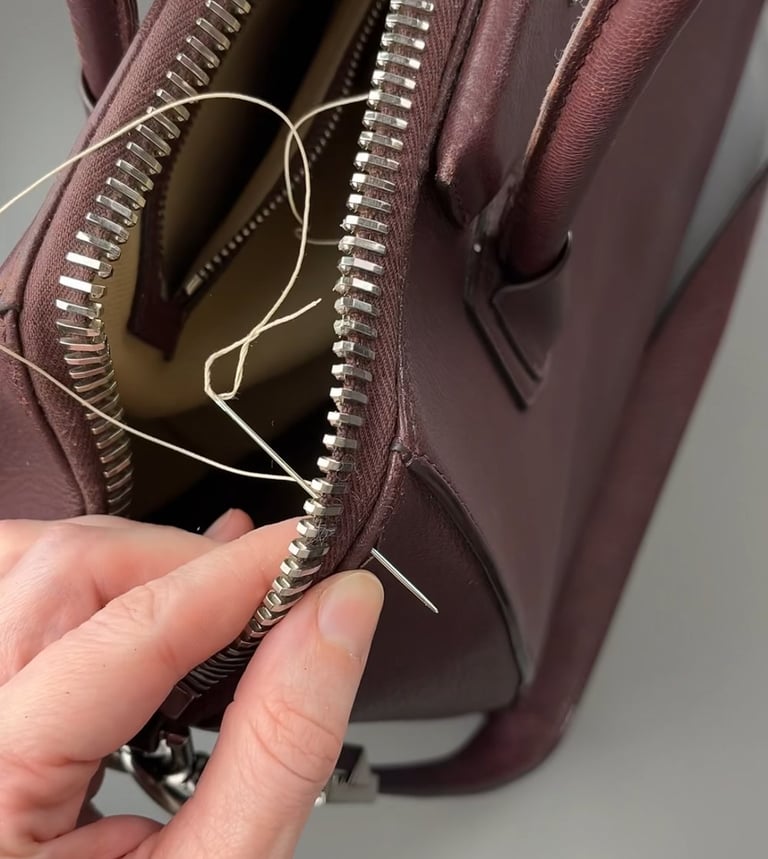
The interior stitching was opened only as far as required to access the affected side panel. This limited disturbance to surrounding seams and reduced stress on aged threads. The internal thread was selectively cut, while the external stitching was preserved and later reused to maintain alignment during closure.
Correcting the Metal Bar Stabilization
On one side, the bar had fully detached and could not be re-secured due to its position beneath the external logo plate; it was therefore removed. On the opposite side, the bar remained accessible and partially secure. Approximately 1.5 cm was trimmed from each end, after which the bar was properly wrapped to create a protective buffer between metal and fabric. A new stabilizing layer—significantly larger than the original—was introduced to anchor the bar securely, distribute load across a wider area, and prevent future movement. The bar was reinstalled using both adhesive and structural containment rather than glue alone.
Lining Repair
The damaged cotton lining was repaired using an internal reinforcement patch, stabilized from behind and supported with an adhesive woven mesh to restore strength and prevent recurrence. The lining and the outer layer of the bag were then carefully re-stitched using the preserved original thread, restoring a clean, uninterrupted lining with no visible evidence of intervention.
Colour Touch Ups
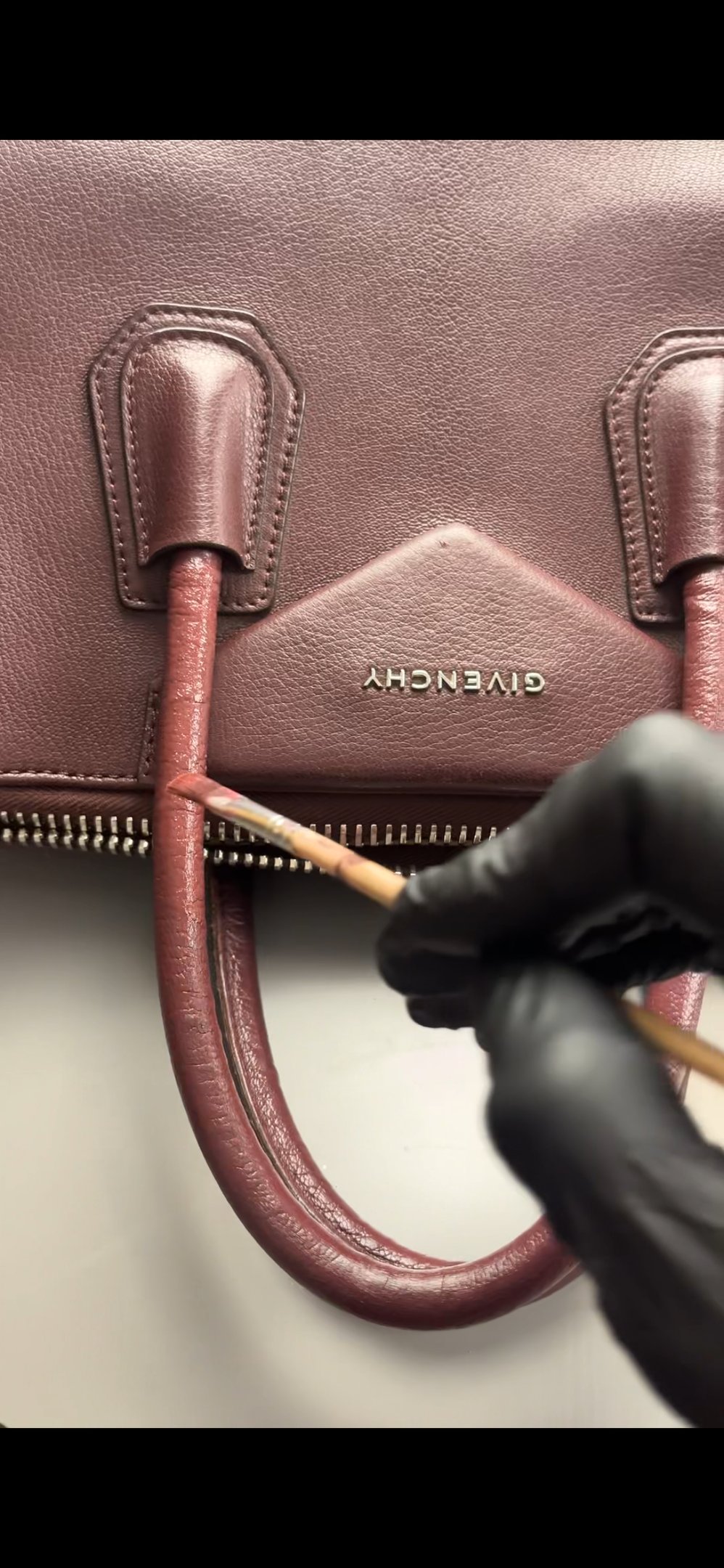
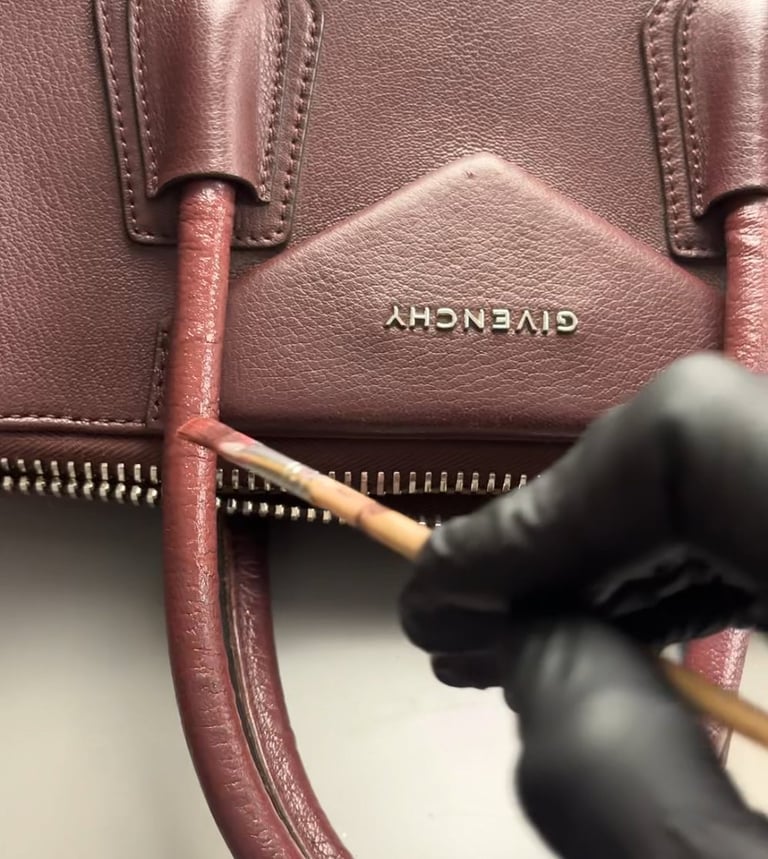
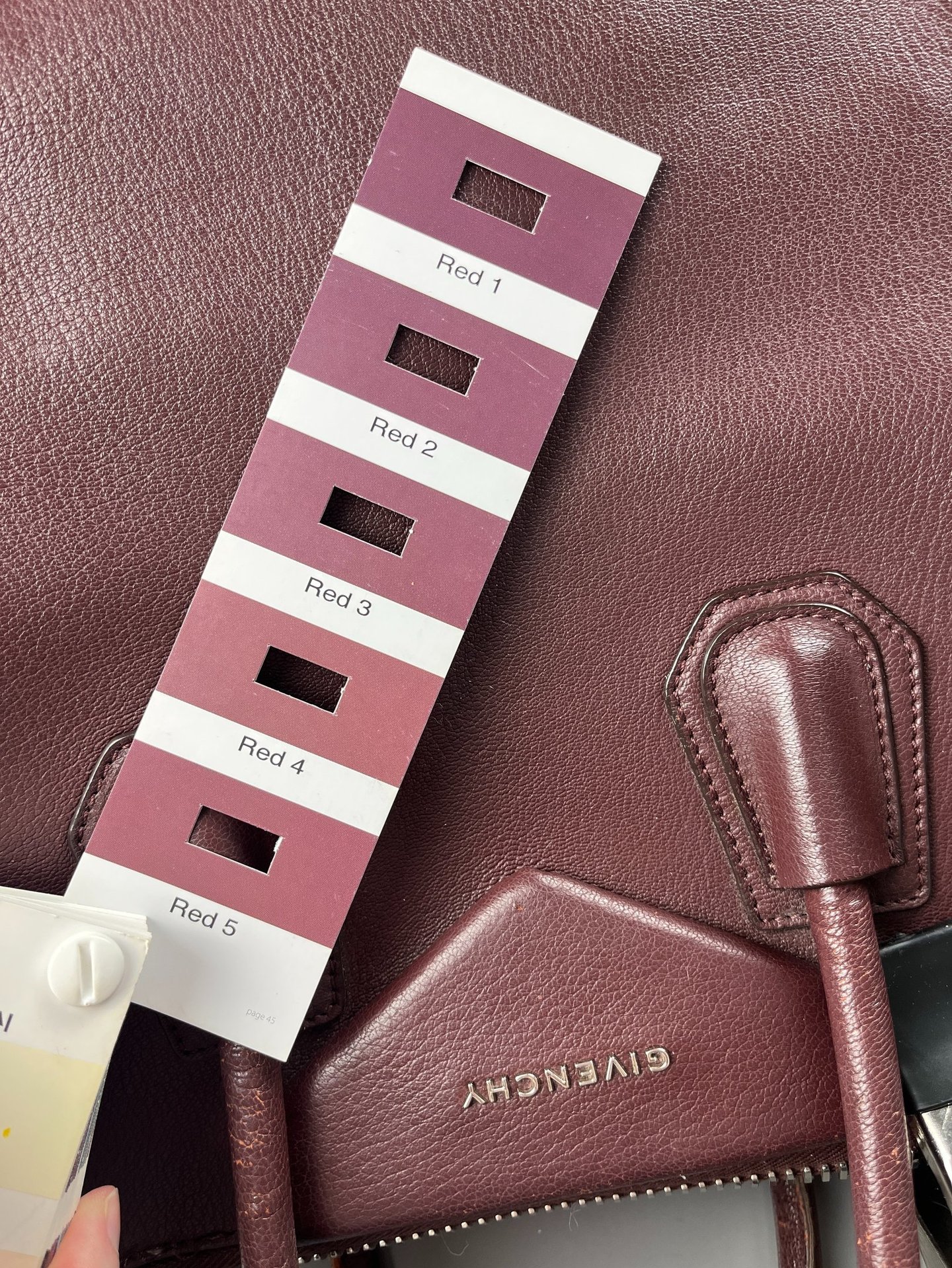
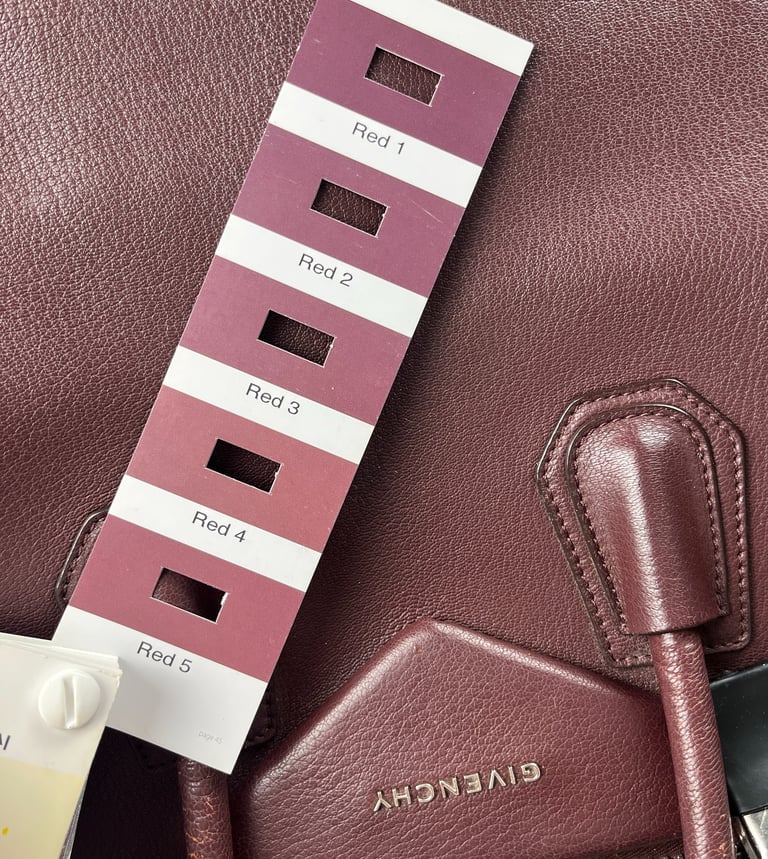
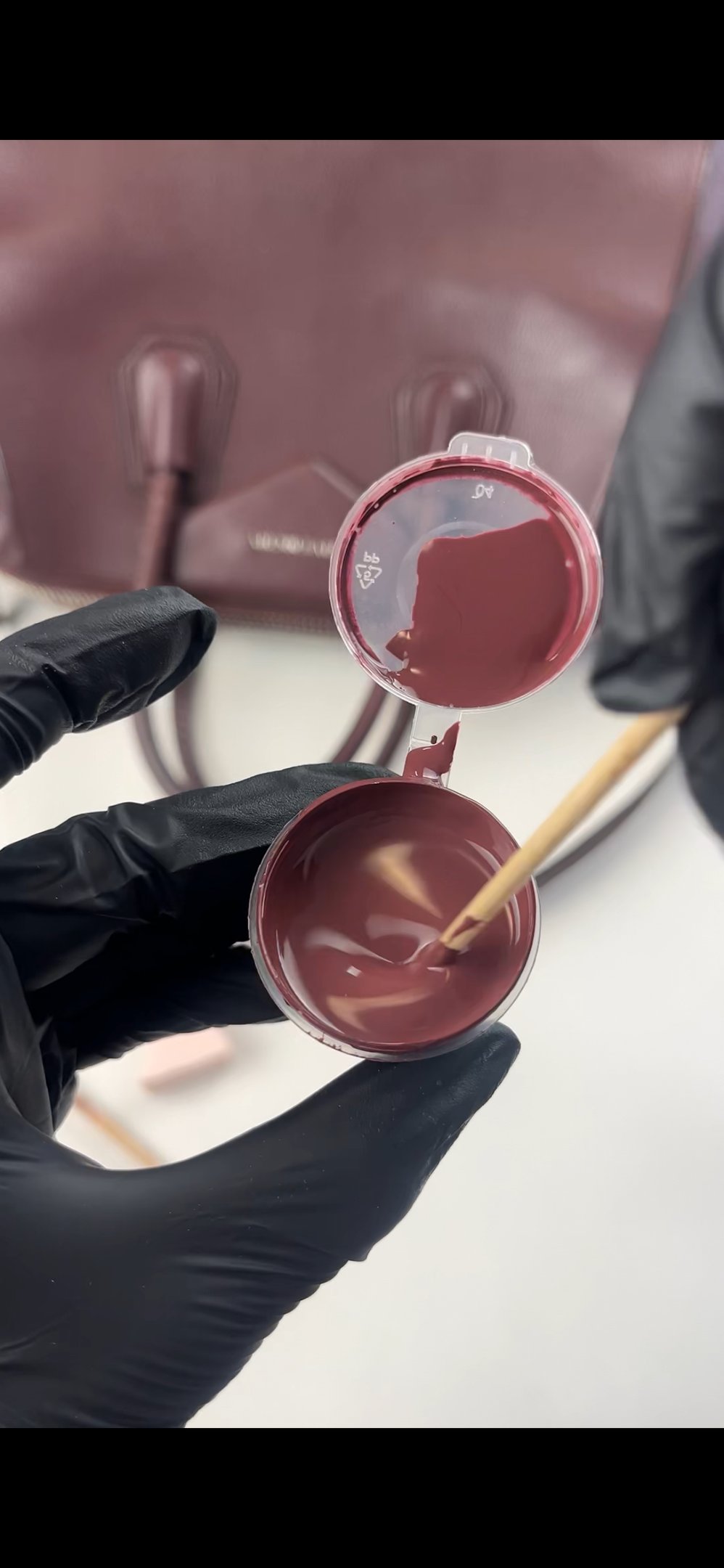
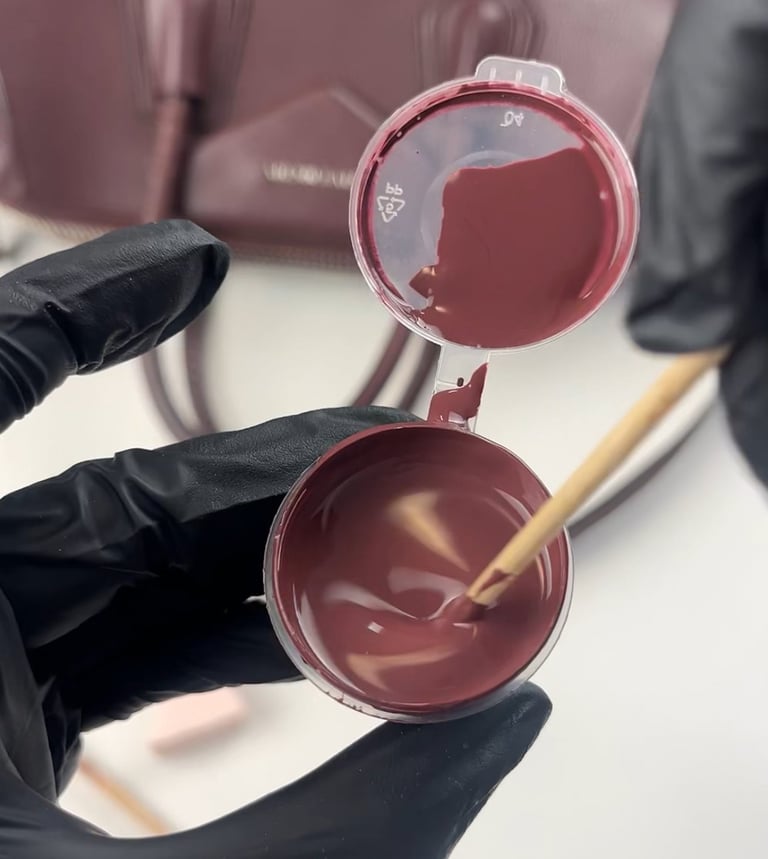
Colour was carefully matched using professional leather paint to achieve the closest possible match to the original finish. The surface was prepared using a deglazer to ensure proper adhesion before application. Colour was then applied by hand with a fine brush to allow for controlled, localised correction. Once the desired result was achieved, a colour-matched sealant was applied to stabilise the surface and lock in the touch-up without altering the surrounding leather.
Edge Paint Repairs
The edge paint on the handles had fully deteriorated and was therefore removed completely. The edges were sanded to prepare a clean, even surface before reapplication. A total of two layers of edge paint were applied to rebuild protection and flexibility. Edge paint on the front panel presented a greater challenge due to its proximity to the outer leather. In these areas, the original edge paint was only partially removed, and repairs were limited to targeted touch-ups rather than full rebuilding. Masking tape was used to protect the surrounding leather during application, allowing for precise correction without compromising the adjacent surface.
Bag Spa & Hardware Cleaning
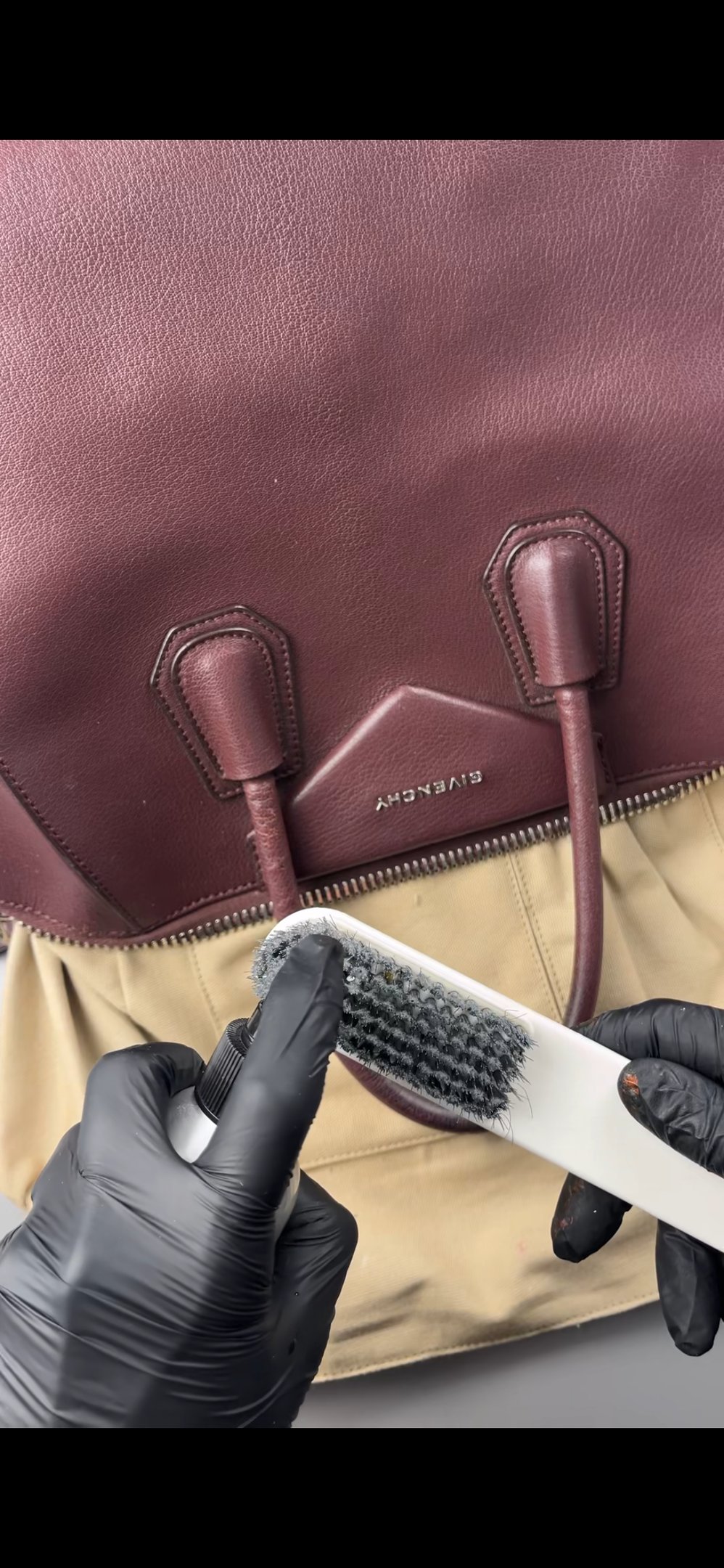
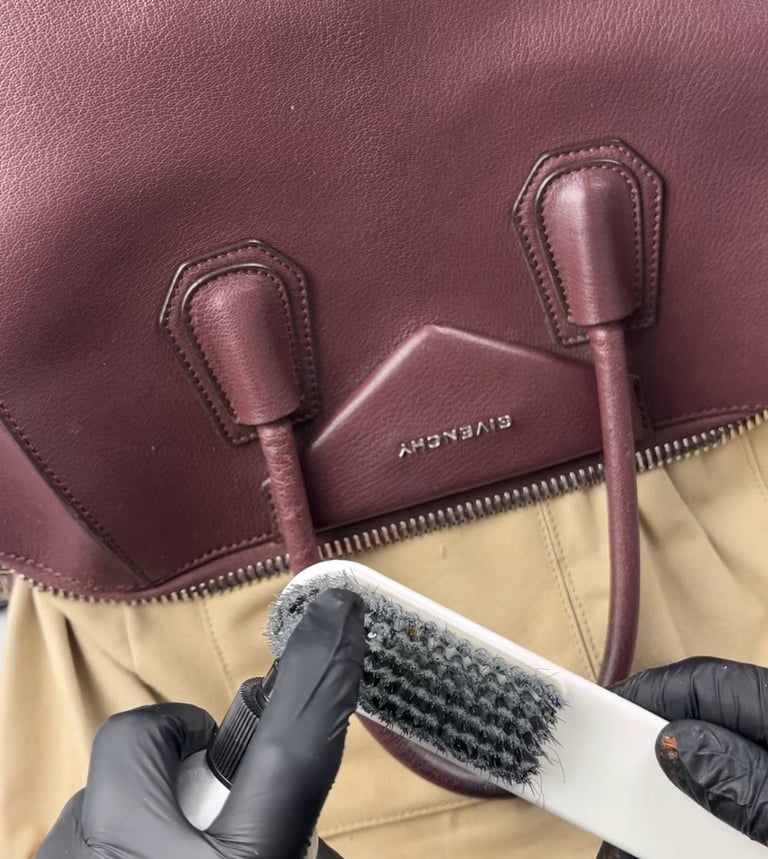
As the first step of the restoration, the leather was cleaned with a leather enzyme cleaner to remove accumulated dirt, oils, and residue from daily handling. Once the restoration was completed, a light, controlled conditioning was applied to rebalance moisture levels and restore suppleness. Hardware was cleaned separately to remove surface oxidation and residue, then gently polished to revive clarity and reflectivity while preserving the original finish.
Key Improvement Opportunities
Metal stabilising bars
must be wrapped at the ends (typically in nylon tape) and securely anchored within stabilising layers. Wrapping is essential to absorb micro-movement and prevent direct contact between metal and lining once the bag begins to flex during daily use.
Adhesive alone is not a long-term fixing method for metal components. Without structural containment, glue will soften and degrade over time, allowing internal elements to shift and cause abrasion damage.
A more durable approach would be to integrate the metal bar into the bag's structure, similar to how Hermès secures Kelly handles with a rivet that goes through the metal bar all the way to the chapes of the handle. This distributes load through the handle assembly instead of concentrating stress at a single internal point.
Edge Paint:
Where thick internal stabilisers are used, the body construction should include a leather backing layer on the opposing side so the edge paint bonds between two leather surfaces. Without this, edge paint is forced to adhere to the sharp edge of rigid stabiliser material, creating an inherent weak point.
In this case for the outer body of the bag, folded edges would be more suitable than edge painted edges.
Add a sacrificial layer between hardware and lining:
Even with wrapped bar ends, a best-practice build often includes a thin interlayer (felt/nonwoven) over structural elements. That layer absorbs micro-rubbing so the lining doesn’t become the first thing to fail.
Restoration Outcome
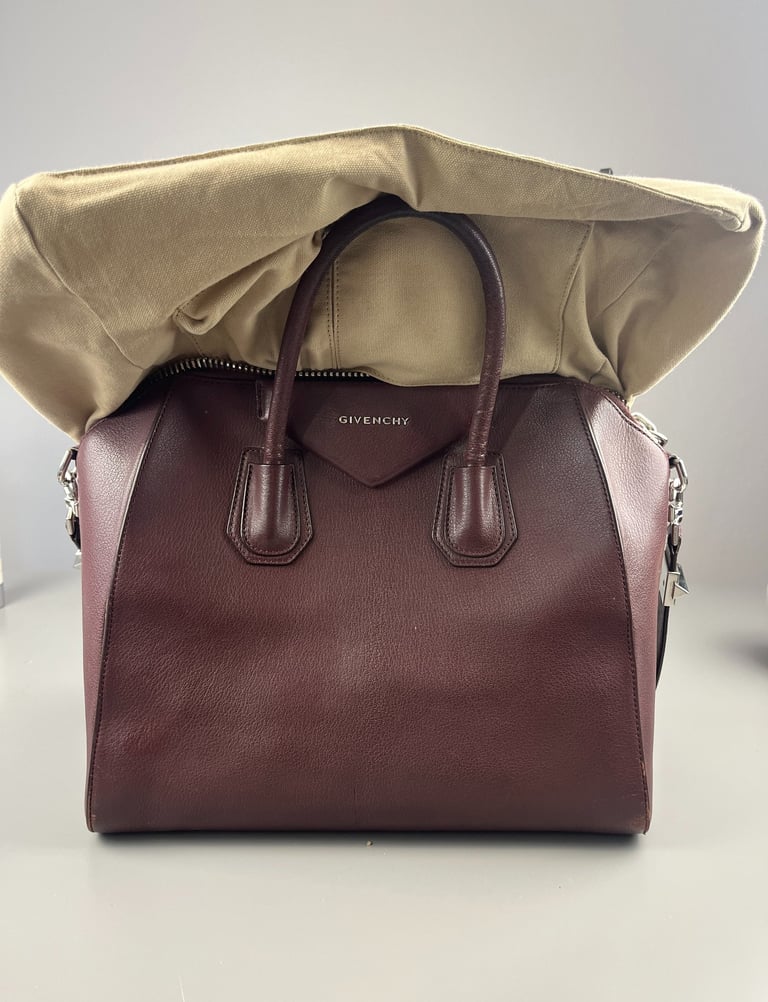
Following restoration, the bag presents as structurally sound and visually cohesive, with all previously compromised areas corrected without altering its original character. The colour refinements restore depth and evenness to the leather while remaining fully integrated with the existing finish. Edge paint has been stabilised and rebuilt where required, resulting in clean, continuous edges that can flex with use rather than deteriorate further. Internally, the lining has been repaired and reinforced, eliminating abrasion points and restoring integrity without visible signs of intervention. Together, these corrections return the bag to a condition suitable for continued wear, with the original failure points addressed and no unnecessary evidence of repair.
What This Case Teaches Us
This restoration highlights something important:
many handbag failures are not caused by misuse or age, but by small construction shortcuts that only reveal themselves years later.
As restorers, we see patterns emerge across brands, materials, and eras. These insights rarely make it into design conversations — but they should.
That’s what this Inner Circle is for.
Future articles will continue to document real cases like this, offering a repair-led perspective on durability, construction, and long-term care.
Thank you for investing in this level of transparency and craft.
—
Bar
Founder & Chief Artisan
The Purse Parlour
FROM WORN TO WONDERFUL
Request Your Exclusive Restoration Quote Now
Unlock the potential of your cherished handbag with our expert restoration services. Whether it's a vintage treasure or a modern masterpiece, our artisans are here to breathe new life into your accessory. Don't let time and wear dull its brilliance – let us restore its charm to its fullest. Request your personalized quote today and embark on a journey of transformation with The Purse Parlour!
Subscribe to Our Newsletter
Join the Inner Circle of Bag Enthusiasts! Sign up for our newsletter to unlock exclusive bag care tips, insider updates, and special offers.

